Miniaturist Embroidery Review
First Impressions of Miniaturist
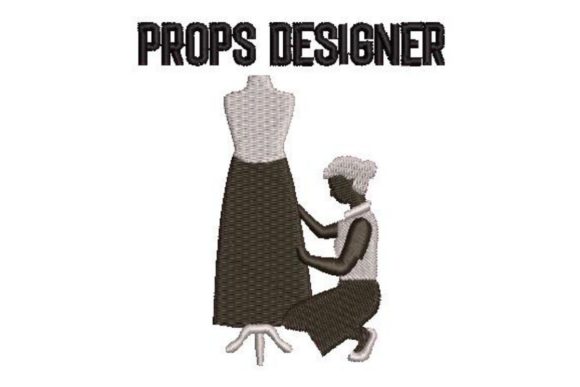
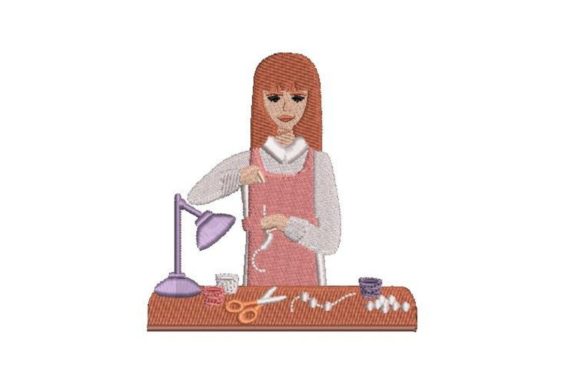
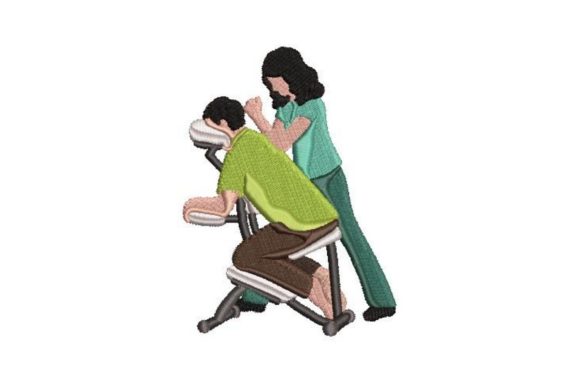
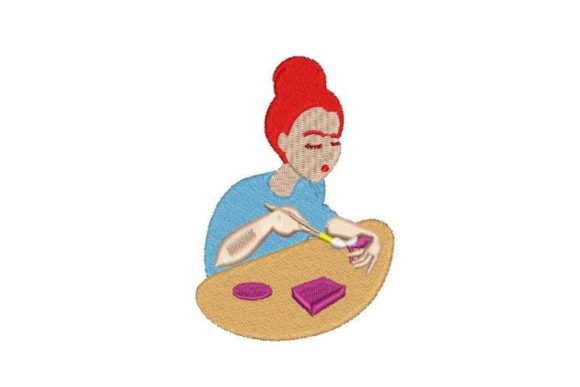
As an experienced embroidery designer, I was immediately drawn to the charm of Miniaturist. This machine embroidery design has a delicate and whimsical aesthetic that feels like a hidden treasure waiting to be discovered. The visual mood is soft and intricate, with a focus on small details that add character without overwhelming the design.
The stitching personality of Miniaturist leans toward a more decorative and artistic approach. It features a mix of satin stitch, fill stitch, and running stitch, which gives it a layered and textured appearance. This makes it ideal for projects where subtlety and elegance are key, such as baby items, personalized gifts, or vintage-style apparel.
Its appeal lies in its ability to elevate simple garments and accessories with a touch of handmade charm. Whether you're working on a tote bag design or a custom sweatshirt, Miniaturist adds a unique flair that stands out without being too bold.
Real-World Performance of Miniaturist
When considering Miniaturist for real-world use, it's important to think about how it will perform across different materials and project types. This embroidery file works well on a variety of fabrics, including cotton, denim, and lightweight knits. However, it requires careful attention to detail, especially when working with smaller hoop sizes or curved surfaces like caps.
One of the standout features of Miniaturist is its versatility. It can be used for custom apparel, embroidered patches, aprons, and even kitchen towels. Its intricate details make it perfect for handmade products that require a high level of craftsmanship, such as baby blankets or seasonal gifts.
For commercial embroidery projects, Miniaturist offers a great opportunity to create consistent and visually appealing designs. It’s also ideal for printable mockups and digital design assets that help showcase your finished product before production.
Practical Use and Challenges
While Miniaturist is visually appealing, it does come with some practical challenges. The tiny lettering and dense stitch areas require precision and patience. If not handled properly, these elements can become distorted or lost during the embroidery process.
Working with textured or stretchy fabrics can also affect the final outcome. It’s crucial to use the right stabilizer to prevent puckering or distortion. For dark fabrics, ensuring proper thread color contrast is essential to maintain visibility and clarity of the design.
When using Miniaturist on curved cap surfaces, extra care must be taken to ensure even stitching. This may involve adjusting the hoop size or using a specialized cap hoop. Similarly, layered details need to be carefully reviewed after stitching to ensure they align correctly and don’t appear off-kilter.
For projects that require frequent washing, such as aprons or baby items, it’s important to test the design on scrap fabric first. This helps identify any potential issues with durability or washability before committing to a full production run.
Impact on Product Value and Branding
Miniaturist can significantly enhance the value of your handmade products. Its detailed and artistic style adds a sense of quality and uniqueness that appeals to discerning customers. This is especially true for Etsy sellers and small business owners looking to stand out in a competitive market.
From a branding perspective, using Miniaturist helps maintain consistency across your product line. It allows for cohesive design elements that reinforce your brand identity, whether you're creating custom apparel, boutique merchandise, or craft fair products.
In terms of customer engagement, the visual appeal of Miniaturist can make your products more giftable and shareable. High-quality product photography benefits from its intricate details, making it easier to showcase your work in online listings and social media posts.
Key Tips for Using Miniaturist
- Test on scrap fabric before applying to your final project to ensure the design looks as expected.
- Check thread color contrast to ensure visibility on different fabric types.
- Review stitch density to avoid overcrowding or thinning of the design.
- Confirm hoop size requirements to ensure compatibility with your embroidery machine.
- Compare light and dark fabric mockups to see how the design performs in different settings.
- Use proper stabilizer for stretchy or textured fabrics to maintain design integrity.
- Inspect small details after stitching to catch any errors or inconsistencies.
- Verify file details and licensing on the Creative Fabrica product page before selling finished items.
Final Thoughts on Miniaturist
Overall, Miniaturist is a valuable addition to any embroidery designer’s toolkit. Its delicate and intricate design offers a range of creative possibilities, from personalized gifts to commercial embroidery projects. While it requires careful handling, the results are well worth the effort.
Whether you're an Etsy seller, a small business owner, or a creative entrepreneur, Miniaturist provides a unique way to add artistic flair to your handmade products. With proper preparation and attention to detail, this embroidery file can help elevate your work and attract a wider audience.