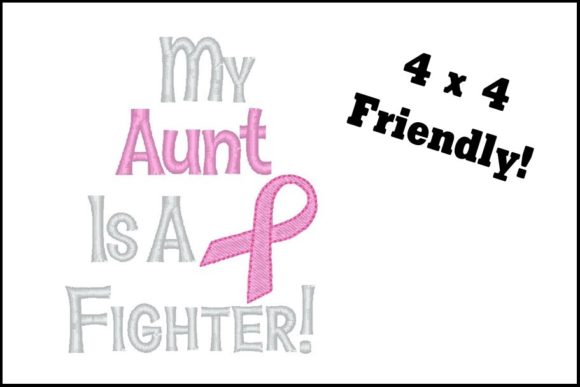
Fighter Aunt Embroidery Design
As a designer and embroidery product reviewer, I’ve seen thousands of machine embroidery designs. Fighter Aunt stands out as a unique and thoughtful piece that’s well-suited for specific use cases. It’s not just another cute design—it’s a practical choice for baby items, personalized gifts, and handmade products that need a touch of character. Let me walk through how this design performs in real-world embroidery projects.
First Impressions: A Design with Personality
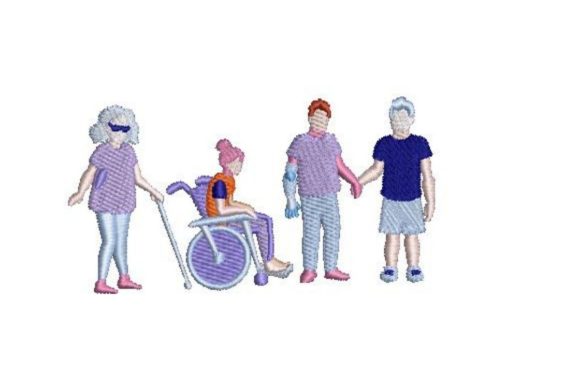
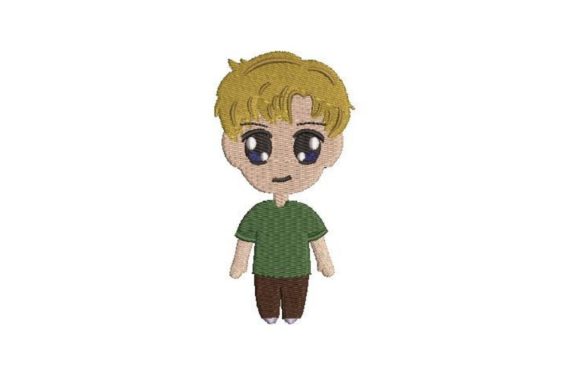
From the moment I saw Fighter Aunt, I noticed its playful yet meaningful vibe. The shape is simple but expressive, with a bold, almost cartoonish style that feels approachable. The layout is clean, making it easy to adapt for different projects. It has a visual personality that’s both fun and slightly edgy—perfect for a design that’s meant to be worn or displayed by babies, but also has potential for more mature applications if styled differently.
The detail level is moderate. It doesn’t have intricate elements that would require excessive stitch density, which is a relief for those who want to avoid overly complex files. The overall theme fits the Awareness category, though it’s more about whimsy than serious messaging. This makes it ideal for baby-related items where the focus is on charm rather than deep symbolism.
Real-World Use Cases: Where Fighter Aunt Shines
One of the first scenarios I thought of was a custom embroidered tote bag for a parent who wants something unique. Fighter Aunt could work well as a tote bag design, especially if paired with soft, pastel thread colors. The design isn’t too busy, so it won’t overwhelm the fabric, and it adds a personal touch that customers will appreciate.
For baby clothes, like bodysuits or bibs, Fighter Aunt is a solid choice. Its size and simplicity make it suitable for small hoop sizes, and the design doesn’t require too much stabilization. It could also be used as an embroidered patch for backpacks or jackets, adding a fun element to children’s clothing.
Another use case is as a holiday embroidery project. While it’s not overtly seasonal, the playful nature of the design could fit into a themed gift, such as a personalized pillow cover or a custom apron. It’s also great for Etsy sellers looking to add a unique, handmade product to their shop without overcomplicating the production process.
Where to Be Careful: Limitations and Considerations
Despite its strengths, Fighter Aunt isn’t perfect for every situation. On textured fabrics or thin materials, the design might not show up as clearly as expected. If you’re planning to use it on a stretchy fabric like a t-shirt, you’ll need to ensure the stabilizer is sufficient to prevent distortion during stitching.
Small hoop sizes can be a challenge. If your machine has limited space, you may need to break the design into sections or adjust the layout. Similarly, on dark fabrics, the thread color contrast becomes critical. Light-colored threads might not stand out enough, so choosing the right shade is essential.
For commercial embroidery projects, it’s important to check the licensing terms before selling finished products. While the design seems flexible, confirming whether it’s allowed for resale or commercial use is a must. Also, if you’re using it for digital product previews or printable mockups, make sure the file format is compatible with your workflow.
Design Notes for Embroidery Professionals
Before jumping into a project, I always recommend testing any new embroidery file on scrap fabric. This helps identify any issues with stitch density, thread color, or stabilizer use. For Fighter Aunt, I’d suggest using a light to medium weight stabilizer, especially if working with delicate or stretchy materials.
When it comes to thread colors, consider how they’ll interact with the background fabric. A bright red or blue might work well on a white t-shirt, but on a darker base, you might need to adjust the hue for better visibility. Also, pay attention to the design’s corners and edges—small details can sometimes get lost if the stitch density is too low.
If you’re using this as part of a larger design asset, like a printable mockup or a digital product preview, test it in black and white to see how it holds up. This can help you decide if additional embellishments or adjustments are needed.
Final Thoughts: A Design That Works When Used Right
Overall, Fighter Aunt is a versatile and appealing machine embroidery design that works best for baby-related items, personalized gifts, and small business merchandise. It’s not the most complex design, but that’s part of its charm. It’s easy to customize, adaptable to various fabrics, and has a friendly visual style that appeals to a wide audience.
For crafters and Etsy sellers, this design offers a quick way to add value to handmade products without requiring advanced technical skills. Just be mindful of the limitations when it comes to fabric type, hoop size, and thread contrast. With proper preparation, Fighter Aunt can become a valuable addition to your embroidery project library.
Whether you’re creating a custom sweatshirt, a baby onesie, or a decorative pillow, Fighter Aunt has the potential to elevate your work with its unique flair and practical design. Just remember to test it first, choose the right materials, and keep the end user in mind. That’s what makes a good embroidery design truly successful.