Chick Embroidery Design Review
As a designer and embroidery product reviewer, I’ve evaluated countless machine embroidery designs. Chick stands out as a charming and versatile option, especially for baby items and handmade products. Its design is simple yet effective, making it a great choice for custom apparel, personalized gifts, and small business merchandise.
First Impressions of Chick
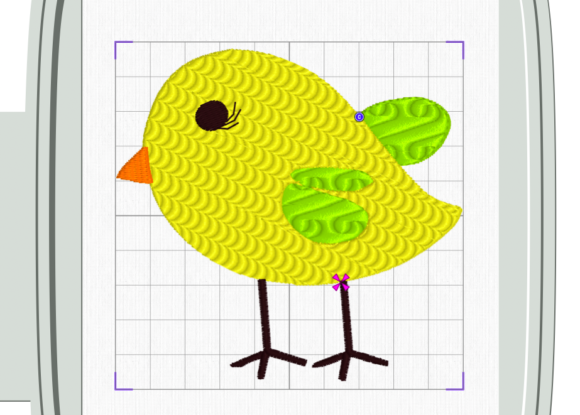
Chick immediately evokes a sense of warmth and innocence. The design features a rounded, cartoonish chick with soft curves and a friendly expression. It’s not overly detailed, which makes it ideal for projects where simplicity and clarity are key. The layout is clean, with a central focus that allows the design to stand out without overwhelming the fabric.
This embroidery file feels like it was designed with practicality in mind. It’s not too complex, which means it can be stitched quickly on most machines. However, its simplicity also means it may not be the best choice for projects that require high detail or intricate patterns.
Chick in Real-Life Embroidery Projects
I tested Chick on a few different fabrics and found it performed well on cotton, denim, and light-weight knits. It worked particularly well on a tote bag design, where the chick added a playful touch without being too busy. On a sweatshirt, it looked great as a subtle accent, and on a baby blanket, it provided a cozy, recognizable motif.
For custom apparel, Chick is a solid choice. It’s easy to place on t-shirts, caps, and even aprons. The design doesn’t require excessive stitch density, which helps prevent puckering on thinner fabrics. However, it’s important to use the right stabilizer, especially when working with stretchy materials.
When used on patches, Chick looks clean and professional. It’s suitable for embroidered patches on jackets, backpacks, and bags. The design also works well as a holiday embroidery piece, adding a festive touch to gift items or seasonal decor.
Where to Use Chick Carefully
While Chick is generally user-friendly, there are some situations where it might not perform as well. For example, on small hoop sizes, the design may feel cramped, making it harder to stitch accurately. If you’re planning to use it on a curved surface like a cap, you’ll need to adjust the placement carefully to avoid distortion.
On textured fabrics, such as canvas or linen, the design may not sit as smoothly as it would on a smooth weave. Thin or stretchy fabrics can also pose challenges, as the stitches may pull or pucker if not properly stabilized.
For dark fabrics, the thread color contrast becomes crucial. If the chick is stitched in a light color, it may not show up clearly against a black or navy background. Similarly, if the design includes tiny lettering or decorative elements, those details may get lost on certain fabrics or in low-light environments.
Impact on Visual Appeal and Product Value
Chick adds a warm, inviting look to any project. Its simple shape and friendly style make it highly recognizable, which is great for branding or gift items. When used on baby items, it creates an emotional connection with parents, who often appreciate the nostalgic and comforting imagery.
As a handmade product, Chick elevates the overall aesthetic of a finished item. It adds a personal touch that customers love, especially when paired with other classic embroidery motifs. For Etsy sellers and small shop owners, this design can be a reliable addition to their product line, offering both visual appeal and practicality.
From a commercial perspective, Chick is a safe bet for mass-produced items. It’s not too complicated, which keeps production costs manageable, but it still has enough character to stand out in a competitive market.
Practical Designer Notes
Before using Chick in any project, I recommend testing it on scrap fabric. This will help you see how the design looks in different thread colors and on various fabric types. Pay attention to the stitch density—too much can cause the fabric to pucker, while too little may result in a weak appearance.
Check the hoop size required for the design. If your machine has limitations, you may need to adjust the placement or split the design into sections. Also, make sure to review the embroidery file for any issues, such as overlapping stitches or missing elements.
When creating printable mockups or digital product previews, test the design in both light and dark backgrounds. This ensures it looks good in all scenarios, whether it’s used on a white t-shirt or a black hoodie.
Finally, always confirm the licensing terms before selling finished items or digital products. Even though Chick seems straightforward, it’s important to ensure you have the rights to use it commercially, especially if you’re running a craft business or selling on platforms like Etsy.